Seeking Addiction Care Or Mental Health Care?
Behavioral & Food Disorder Treatment
Medication for Addiction Treatment (MAT) for Behavioral & Food Disorders at ACE Medical in Sunnyvale, CA

Behavioral addictions and food-related disorders—such as binge eating, compulsive overeating, emotional eating, sugar addiction, and certain impulse-control disorders—can impact every facet of life. Many people in Sunnyvale, CA, as well as nearby communities like Mountain View, Santa Clara, and Cupertino, struggle quietly with these conditions, often feeling ashamed, overwhelmed, or “out of control.” These disorders are medical conditions, not personal failures.
At ACE Medical, an addiction medicine practice in Sunnyvale, we use a combination of Medication for Addiction Treatment (MAT), behavioral therapy, nutrition support, and mental health care to help individuals regain a sense of balance and control. While MAT is primarily known for treating substance use disorders, emerging research shows that certain medications can meaningfully support recovery from binge eating disorder (BED), compulsive overeating, and other behavioral addictions.
Our approach is warm, nonjudgmental, and rooted in evidence. We tailor your treatment to your history, biology, emotions, habits, and long-term goals—helping you build a healthier relationship with food and behaviors that feel out of control.
What are behavioral and food-related addictions?
Behavioral and food-related addictions involve compulsive engagement in rewarding behaviors, even when they cause stress, shame, or health problems. These conditions often involve:
Loss of control
Preoccupation with the behavior or food
Emotional relief followed by guilt or anxiety
Difficulty stopping despite negative consequences
Common examples include:
Binge Eating Disorder (BED)
Compulsive Overeating
Emotional Eating
Food Addiction (sugar, fast food, hyper-palatable foods)
Compulsive shopping
Gambling addiction
Technology or gaming addiction
These conditions can affect physical health, self-esteem, relationships, and day-to-day functioning. Many people feel alone or misunderstood—but these disorders are treatable with the right support.
How does MAT help treat behavioral and food-related disorders?
MAT for behavioral or food addiction is different from MAT for opioids or alcohol. There are no FDA-approved medications specifically for behavioral addictions or binge eating disorder. However, strong research supports the use of several medications that target:
Craving pathways
Impulsivity
Compulsive urges
Reward system dysregulation
Mood instability
Binge-eating episodes
At ACE Medical, MAT may be used to:
Reduce episodes of binge eating
Reduce cravings for sugar or highly processed foods
Improve impulse control
Support weight stabilization
Regulate mood and anxiety
Interrupt destructive behavior cycles
Improve your ability to engage in therapy
These medications are used alongside therapy, nutrition support, and long-term behavior change strategies.
What medications are used for MAT in behavioral & food addictions at ACE Medical?
Our clinicians prescribe medications only when they’re supported by evidence and appropriate for your specific condition. Options may include:
1. Lisdexamfetamine (Vyvanse®)
FDA-approved specifically for Binge Eating Disorder (BED).[1]
Benefits include:
Reduces binge-eating frequency
Lowers compulsive urges
Improves impulse control
Reduces obsessive thoughts about food
2. Topiramate
An anticonvulsant with strong evidence for reducing:
Binge-eating episodes
Weight gain
Impulsive behavior
Studies show topiramate can significantly reduce binge frequency and improve mood stability.[2,3]
3. SSRIs & SNRIs (e.g., fluoxetine, sertraline, venlafaxine)
These medications may help with:
Binge eating
Emotional eating
Anxiety and depression
Impulse control disorders
Fluoxetine is FDA-approved for bulimia nervosa and is often used off-label for binge patterns.[4]
4. Naltrexone
Naltrexone reduces urges and cravings by blocking opioid receptors involved in reward and reinforcement.[5]
Useful for:
Food addiction
Sugar cravings
Certain compulsive behaviors
5. Bupropion (Wellbutrin®)
Helps regulate dopamine and norepinephrine, which improves:
Motivation
Energy
Impulse control
Emotional eating
Co-occurring depression
Often used in combination with naltrexone for enhanced craving control.[5]
6. GLP-1 Medications (e.g., semaglutide, liraglutide)*
Used selectively when appropriate
These medications are not solely for weight loss—they also reduce:
Intense hunger
Food noise
Compulsive eating
Research shows GLP-1 agonists may help with food addiction through appetite regulation and reward pathway modulation.[6]
7. Mood Stabilizers
For individuals with binge eating tied to mood cycling or trauma, mood stabilizers may help restore emotional balance.
8. Nutritional & Sleep Support Medications
These help stabilize:
Sleep
Stress response
Appetite cycles
which play a large role in binge eating and compulsive behavior patterns.
Are these medications safe?
Absolutely—when prescribed by trained addiction medicine clinicians.
At ACE Medical, we perform a comprehensive evaluation before recommending MAT, including:
Medical history
Eating patterns
Mental health assessment
Lab work (when appropriate)
Review of previous treatments
Identification of triggers and stressors
Side effects vary depending on medication and are carefully monitored. Your safety—and your comfort—come first.
How does ACE Medical treat behavioral & food-related disorders in Sunnyvale, CA?
Our treatment is holistic, comprehensive, and deeply personalized. It typically includes:
1. Medical Evaluation & Diagnosis
We assess:
Eating patterns
Triggers and stress responses
Co-occurring conditions (anxiety, depression, ADHD, trauma)
Physical health
Sleep
Nutritional habits
Past treatment or dieting history
2. Personalized MAT Plan
Medication is tailored to your goals, symptoms, and biology.
3. Integrated Therapy
We strongly encourage combining MAT with:
Cognitive Behavioral Therapy (CBT)
Dialectical Behavioral Therapy (DBT)
Trauma therapy
Acceptance & Commitment Therapy (ACT)
Nutrition counseling
4. Behavior Change Support
We help you:
Build a healthier relationship with food
Regulate emotions without bingeing
Develop coping strategies
Reduce shame and guilt
Understand your triggers
5. Ongoing Monitoring & Adjustments
We follow your progress closely and adjust your plan as needed.
6. Long-Term Recovery Support
Our goal is sustainable recovery—not short-term restriction.
Does MAT replace therapy or nutritional counseling?
No. MAT is a support tool, not a replacement.
Medications help reduce cravings, emotional distress, and compulsive urges—making therapy and behavior change far more effective.
At ACE Medical, we believe:
“MAT lowers the volume so therapy can do the deeper healing.”
Who is a good candidate for MAT for behavioral & food disorders?
MAT may be right for you if you:
Feel out of control around food
Experience episodes of binge eating or emotional eating
Struggle with compulsive behaviors
Feel ashamed or isolated due to eating patterns
Have co-occurring anxiety, depression, ADHD, or trauma
Have tried diets or “willpower” approaches without success
Want structured, evidence-based care in Sunnyvale, CA
Need help regulating cravings or impulses
If food or behaviors feel like they control your life, we can help you take back that control.
When should I contact ACE Medical?
Reach out if:
Binge eating or compulsive behaviors are affecting your health
You struggle with guilt, shame, or emotional eating
You feel “stuck” in unhealthy patterns
Dieting has not worked
Anxiety or trauma fuel compulsive behavior
You want compassionate, evidence-based care in Sunnyvale or Santa Clara County
You want a plan tailored to YOU, not a one-size-fits-all program
A consultation is simply a conversation—it helps you understand your options and feel supported.
Take the First Step Toward Better Health
Whether you're seeking Ketamine treatment for depression, or other mental health or addiction challenges, let ACE Medical be your trusted partner in care.
Experience care that’s personal, proactive, and centered around you.
References:
1. McElroy SL et al. Lisdexamfetamine for binge eating disorder.
2. McElroy SL et al. Topiramate in the treatment of binge eating and weight control.
3. Shapira NA et al. Topiramate reduces compulsive and impulsive behaviors.
4. Fluoxetine for bulimia nervosa: randomized controlled trials.
5. Naltrexone-bupropion combination for cravings and compulsive eating.
6. GLP-1 agonists and appetite regulation: metabolic and behavioral effects.
Access The Convenient Care You Deserve
Get In Touch
Call, click, or visit — we’re here to make getting care simple & stress-free!
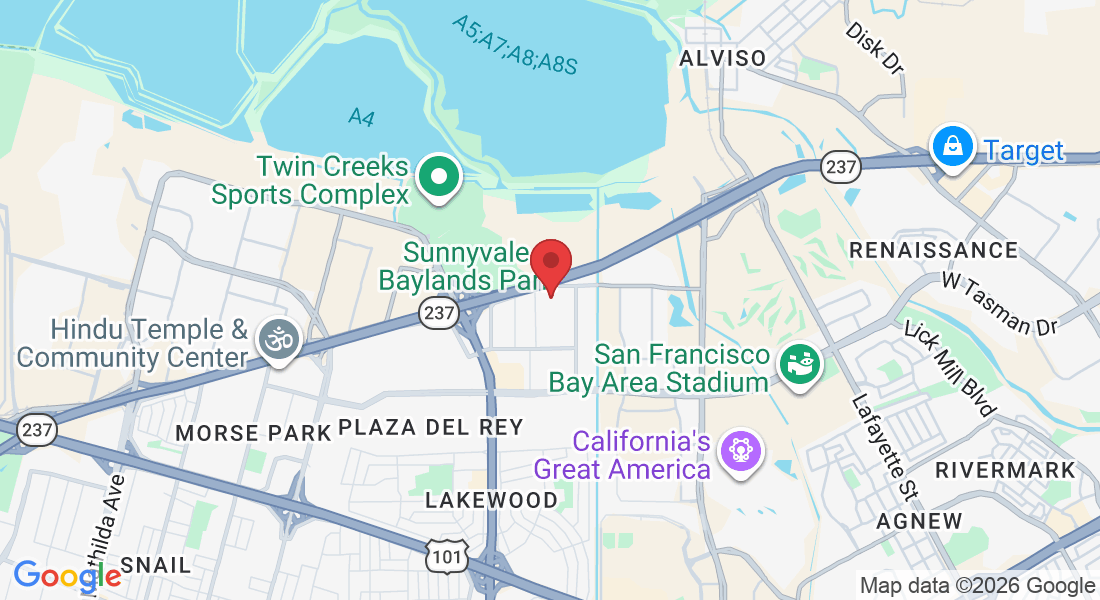
1287 Hammerwood Avenue
Sunnyvale, California 94089
Our Promise to You
Saving lives using evidence-based, ethically-delivered Ketamine Treatment and personalized Addiction Medicine. At ACE Medical, you're not just another patient. You’re a person with a story, and we’re here to support your health, your goals, and your life.
Unlock Your Brain with Ketamine and Medication for Addiction Treatment to help you break free from conditioned responses, limiting beliefs, and emotional patterns that do not empower you.
© 2026 ACE Medical | Accessibility | Terms & Conditions | Privacy Policy | Powered by DoctoGrow