Seeking Addiction Care Or Mental Health Care?
Stimulant Addiction Treatment
Medication for Addiction Treatment (MAT) for Stimulant Addiction at ACE Medical in Sunnyvale, CA

Stimulant addiction—whether involving methamphetamine, cocaine, prescription stimulants, or polysubstance use—is one of the most challenging forms of addiction to overcome. Many people in Sunnyvale, CA, as well as nearby communities such as Mountain View, Santa Clara, and Cupertino, struggle with cycles of intense cravings, emotional crashes, anxiety, and relapse. Unlike alcohol or opioids, stimulant withdrawal doesn’t always cause severe physical symptoms—but the psychological crash can be overwhelming.
At ACE Medical, an addiction medicine practice in Sunnyvale, we understand how complex stimulant addiction can be. Although there are no FDA-approved medications specifically for stimulant addiction, there is growing scientific evidence that certain medications—when used carefully and combined with therapy—can significantly support recovery. This form of treatment is sometimes referred to as Medication for Addiction Treatment (MAT) for stimulant use disorders, though it relies on off-label and adjunctive approaches.
Our mission at ACE Medical is to provide safe, compassionate, evidence-informed care, using medications to reduce cravings, stabilize mood, improve sleep, and help you regain control—without judgment.
What is stimulant addiction, and why is it so difficult to treat?
Stimulants—including methamphetamine, cocaine, Adderall®, Ritalin®, and other amphetamine-type substances—directly impact the brain’s reward, motivation, and energy pathways. Over time, chronic use can cause:
Intense cravings
Severe mood swings or emotional crashes
Anxiety, irritability, or panic
Sleep disturbances
Cognitive problems (attention, memory)
Fatigue and depression
Paranoia or psychosis
One reason stimulant addiction is difficult to treat is that withdrawal is mostly psychological, not physical. Many people feel emotionally depleted, depressed, and unable to experience pleasure—a condition known as anhedonia—which increases relapse risk.
MAT helps address these symptoms so you can stabilize and begin rebuilding your life.
What is Medication for Addiction Treatment (MAT) for stimulant addiction?
Unlike opioid or alcohol addiction, stimulant addiction currently has no FDA-approved medications. However, several medications have shown promise in reducing cravings, improving mood, and supporting behavioral recovery.
At ACE Medical, MAT for stimulant addiction refers to the use of evidence-supported, off-label medications that may help with:
Reducing cravings
Improving sleep
Stabilizing mood
Supporting abstinence
Reducing relapse risk
Enhancing therapy outcomes
These medications are always combined with behavioral therapy, mental health support, and a personalized recovery plan.
Which medications does ACE Medical use for stimulant addiction treatment?
Our clinicians use medications only when clinically appropriate and supported by research. Options may include:
1. Bupropion (Wellbutrin®)
A norepinephrine-dopamine reuptake inhibitor (NDRI), bupropion is commonly used for depression and smoking cessation. Studies show it can:
Reduce stimulant cravings for some patients[1,2]
Support abstinence
Improve mood and energy
Reduce anhedonia
It is often most effective for individuals with co-occurring depression.
2. Mirtazapine (Remeron®)
Research suggests mirtazapine may help people reduce or stop methamphetamine use by:
Improving sleep
Reducing cravings
Supporting weight gain if malnutrition is present
Decreasing risky behaviors[3]
Mirtazapine also helps with anxiety and depression.
3. Naltrexone (Oral or Extended-Release Injection)
While known for alcohol and opioid addiction, naltrexone may help reduce stimulant cravings—especially when combined with bupropion.[4]
Evidence supports a combination therapy of bupropion + naltrexone for methamphetamine addiction, sometimes referred to as MAT for stimulants.
4. Modafinil
Modafinil is a wakefulness-promoting agent used for sleep disorders. Small studies suggest modafinil may:
Reduce cocaine use episodes
Improve attention and cognitive functioning
Reduce cravings for some individuals[5]
It is used selectively depending on patient history and overall health.
5. Antipsychotic or Mood-Stabilizing Medications
In cases where stimulant use has triggered:
Severe anxiety
Paranoia
Hallucinations
Agitation
Bipolar-like symptoms
Short-term or long-term medications may be appropriate.
ACE Medical carefully balances benefits and risks with each patient.
How does MAT help someone recovering from stimulant addiction?
Stimulant addiction affects multiple brain systems. MAT can help by:
Stabilizing dopamine and norepinephrine levels
Improving motivation and mood
Reducing anxiety and panic
Helping regulate sleep cycles
Reducing the severity and frequency of cravings
Supporting long-term engagement in therapy
Restoring healthy brain function over time
Many patients in Sunnyvale tell us that MAT made recovery “feel possible” instead of overwhelming.
What behavioral therapies does ACE Medical pair with MAT?
MAT for stimulants is most effective when combined with therapy. We integrate:
Cognitive Behavioral Therapy (CBT)
Contingency Management (CM) (reward-based systems proven effective for stimulants)
Motivational Interviewing (MI)
Trauma-focused therapy
Supportive counseling
Recovery coaching
We also help patients discover recovery groups such as SMART Recovery, LifeRing, or NA if they find peer support helpful.
Is MAT for stimulant addiction effective?
While no current medication is a complete cure for stimulant addiction, research shows that certain medications—especially when combined with therapy—can significantly:
Reduce cravings
Improve abstinence rates
Lower relapse risk
Improve overall functioning
Help stabilize mood and sleep
The bupropion + naltrexone combination has shown some of the strongest evidence for methamphetamine addiction.[4]
Contingency Management (CM) paired with MAT also improves outcomes substantially.[3–5]
Is MAT for stimulant addiction safe?
MAT for stimulant addiction is generally safe under medical supervision, but it is not one-size-fits-all. Safety depends on your:
Heart health
Mental health conditions
Other substance use
Medications you’re taking
Sleep and nutrition status
Some medications must be used cautiously in individuals with:
Seizure disorders
Bipolar disorder
Eating disorders
Severe anxiety
Cardiovascular issues
At ACE Medical, your safety is our highest priority. We start treatment only after a thorough evaluation.
When should I reach out to ACE Medical about MAT for stimulant addiction?
You should contact ACE Medical if:
You feel overwhelmed by cravings
You’ve tried quitting on your own and relapsed
Your mental health is worsening
Stimulant use is impacting your job, relationships, or health
You’re ready for a medical team that understands both stimulant addiction and co-occurring mental health needs
You want evidence-based treatment delivered in Sunnyvale, CA, and remotely throughout the whole of California.
A consultation doesn’t commit you to treatment. It simply gives you clarity, support, and options.
Take the First Step Toward Better Health
Whether you're seeking Ketamine treatment for depression, or other mental health or addiction challenges, let ACE Medical be your trusted partner in care.
Experience care that’s personal, proactive, and centered around you.
References:
1. Shoptaw S et al. Bupropion for treatment of methamphetamine dependence.
2. Heinzerling KG et al. Randomized trial of bupropion for methamphetamine addiction.
3. Coffin PO et al. Mirtazapine for methamphetamine use disorder.
4. Trivedi MH et al. Combination naltrexone and bupropion for methamphetamine use disorder.
5. Morgan PT et al. Modafinil and cognitive function in stimulant users.
Access The Convenient Care You Deserve
Get In Touch
Call, click, or visit — we’re here to make getting care simple & stress-free!
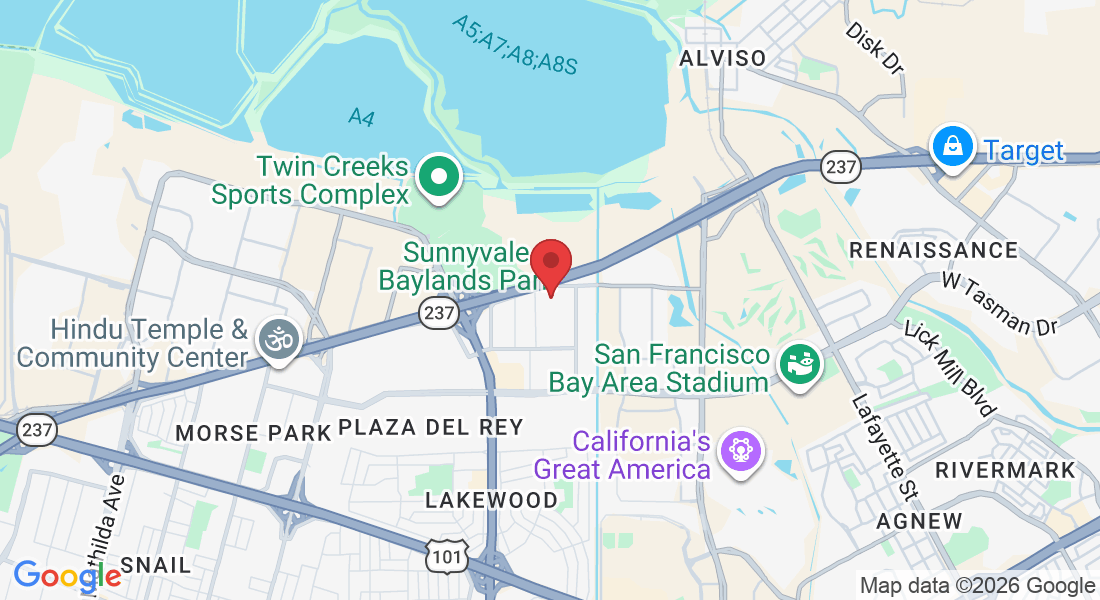
1287 Hammerwood Avenue
Sunnyvale, California 94089
Our Promise to You
Saving lives using evidence-based, ethically-delivered Ketamine Treatment and personalized Addiction Medicine. At ACE Medical, you're not just another patient. You’re a person with a story, and we’re here to support your health, your goals, and your life.
Unlock Your Brain with Ketamine and Medication for Addiction Treatment to help you break free from conditioned responses, limiting beliefs, and emotional patterns that do not empower you.
© 2026 ACE Medical | Accessibility | Terms & Conditions | Privacy Policy | Powered by DoctoGrow