Seeking Addiction Care Or Mental Health Care?
Ketamine Treatment for Substance Use & Addiction
Ketamine Treatment for Substance Use & Addiction at ACE Medical in Sunnyvale, CA

Recovering from addiction is not just about stopping a substance—it’s about healing the emotional pain, trauma, anxiety, and depression that often fuel cravings and relapse.
If you live in Sunnyvale, CA or nearby communities like Mountain View, Santa Clara, or Cupertino, you may already be working hard to overcome alcohol or drug dependence and still feel stuck in a cycle of cravings, withdrawal, or emotional distress.
At ACE Medical, an addiction medicine practice in Sunnyvale, we specialize in evidence-based treatment for alcohol use disorder (AUD), opioid use disorder (OUD), stimulant use disorders, and complex co-occurring mental health conditions. For some carefully selected patients, ketamine-based treatments may offer a supportive, research-backed option to help reduce cravings, improve mood, and strengthen long-term recovery.
Ketamine is not a cure for addiction. But emerging research suggests it may play a meaningful role when used safely, in combination with therapy, medication-assisted treatment (MAT), and long-term recovery planning.
Our goal at ACE Medical is to offer ketamine treatment only when it is safe, clinically appropriate, and likely to benefit your recovery—with a strong focus on preventing misuse or dependence.
What is ketamine treatment for addiction?
Ketamine is a dissociative anesthetic that has been used safely in hospitals for decades. At lower doses, it has rapid effects on mood and neuroplasticity—the brain’s ability to form new pathways and break old patterns.
In addiction treatment, early research suggests ketamine may:
Reduce cravings for alcohol and certain drugs
Improve motivation for change
Enhance therapy effectiveness
Lift severe depression or anxiety that undermines recovery
Interrupt destructive patterns of thinking and behavior
At ACE Medical, ketamine for addiction is:
Off-label (not FDA-approved specifically for substance use disorders)
Administered only in our Sunnyvale clinic, never at home
Used as part of a comprehensive addiction treatment plan
Carefully monitored to minimize misuse risk
We never use ketamine as a stand-alone treatment. It is integrated with therapy, recovery coaching, MAT (such as buprenorphine or naltrexone), and relapse-prevention strategies.
How might ketamine help with substance use disorders?
Addiction changes the brain’s reward, motivation, and stress circuits. Traumatic experiences, chronic stress, and co-occurring mental health conditions often worsen this disruption.
Ketamine influences these systems through the glutamate neurotransmitter pathway, which plays a major role in:
Habit formation
Compulsivity
Stress response
Emotional processing
Reward learning
Research suggests ketamine may help addiction recovery by:
Reducing cravings for alcohol, opioids, and stimulants[1–5]
Improving cognitive flexibility, making it easier to break entrenched habits[3–6]
Enhancing neuroplasticity, allowing patients to adopt healthier coping behaviors[4–6]
Decreasing symptoms of depression, PTSD, or anxiety that trigger substance use[4,7]
Enhancing the impact of psychotherapy, especially motivational and trauma-focused therapies[2–5]
Many patients describe ketamine as creating a brief “reset,” reducing the emotional intensity that drives substance use and helping them better engage in recovery.
What does the research say about ketamine for addiction?
Although ketamine for addiction is still considered emerging, several clinical studies provide promising evidence:
Alcohol Use Disorder (AUD):
A randomized controlled trial found ketamine, combined with therapy, significantly increased abstinence rates compared to placebo.[1]
Other studies show ketamine may reduce heavy drinking days and craving intensity.[2]
Opioid Use Disorder (OUD):
Early research suggests ketamine may help reduce withdrawal severity and cravings when combined with buprenorphine or methadone.[3]
Cocaine & Stimulant Use Disorders:
Several pilot studies show that ketamine may reduce cocaine cravings and improve motivation for change.[4,5]
Psychotherapy Enhancement:
A growing body of evidence indicates that ketamine can significantly enhance the impact of motivational enhancement therapy (MET) and other psychotherapies.[2,4]
Researchers believe ketamine works best when paired with structured therapy and recovery support, not as a one-time intervention.
Is ketamine safe for people with a history of addiction?
This is one of the most important questions—and one that ACE Medical takes extremely seriously.
Ketamine can be misused, especially outside medical settings.
Because we are an addiction medicine practice, we have strict safety protocols:
Expert oversight for all dosing
No at-home ketamine prescriptions
Screening for cravings or misuse
Using conservative, evidence-based dosing schedules
Close coordination with therapists or recovery programs
Frequent re-evaluation of risks vs. benefits
For many individuals in recovery, ketamine can be used safely and effectively under medical supervision.
For others—particularly those with active stimulant or hallucinogen misuse—ketamine may not be appropriate.
This is why we perform a comprehensive intake evaluation before recommending treatment.
How does ketamine fit into a long-term addiction recovery plan?
Ketamine works best as one part of a comprehensive care approach that may include:
Medication-assisted treatment (MAT) (buprenorphine, methadone, naltrexone)
Individual therapy (CBT, ACT, trauma-focused care)
Motivational interviewing or MET
Recovery coaching
Support groups such as AA, NA, SMART Recovery, or alternatives
Lifestyle support (sleep, exercise, nutrition, stress management)
The goal at ACE Medical is not a temporary reduction in cravings—it’s long-term, sustainable recovery.
How does ketamine fit into a long-term addiction recovery plan?
You may be a candidate for ketamine treatment if:
You have treatment-resistant addiction
Cravings remain strong despite MAT or therapy
Co-occurring depression, anxiety, or PTSD are interfering with recovery
You want a structured, medical, Sunnyvale-based program that integrates addiction and mental health care
You are committed to recovery and open to trying emerging treatments
A consultation does not commit you to treatment. It simply helps you explore options and determine what fits your recovery journey.
Take the First Step Toward Better Health
Whether you're seeking Ketamine treatment for depression, or other mental health or addiction challenges, let ACE Medical be your trusted partner in care.
Experience care that’s personal, proactive, and centered around you.
References:
1. Morgan CJ et al. Ketamine combined with therapy for alcohol use disorder: randomized clinical outcomes.
2. Dakwar E et al. Ketamine-assisted motivational enhancement therapy for alcohol dependence.
3. Jones JL et al. Ketamine in the treatment of opioid withdrawal and cravings: clinical evidence review.
4. Dakwar E et al. Ketamine infusion reduces cocaine craving and self-administration: clinical trial results.
5. Das RK et al. Ketamine enhances memory reconsolidation and reduces cue-induced craving.
6. Zanos P, Gould TD. Mechanisms of ketamine in addiction and neuroplasticity.
7. U.S. FDA & Janssen. SPRAVATO (esketamine) prescribing information and psychiatric indications.
Access The Convenient Care You Deserve
Get In Touch
Call, click, or visit — we’re here to make getting care simple & stress-free!
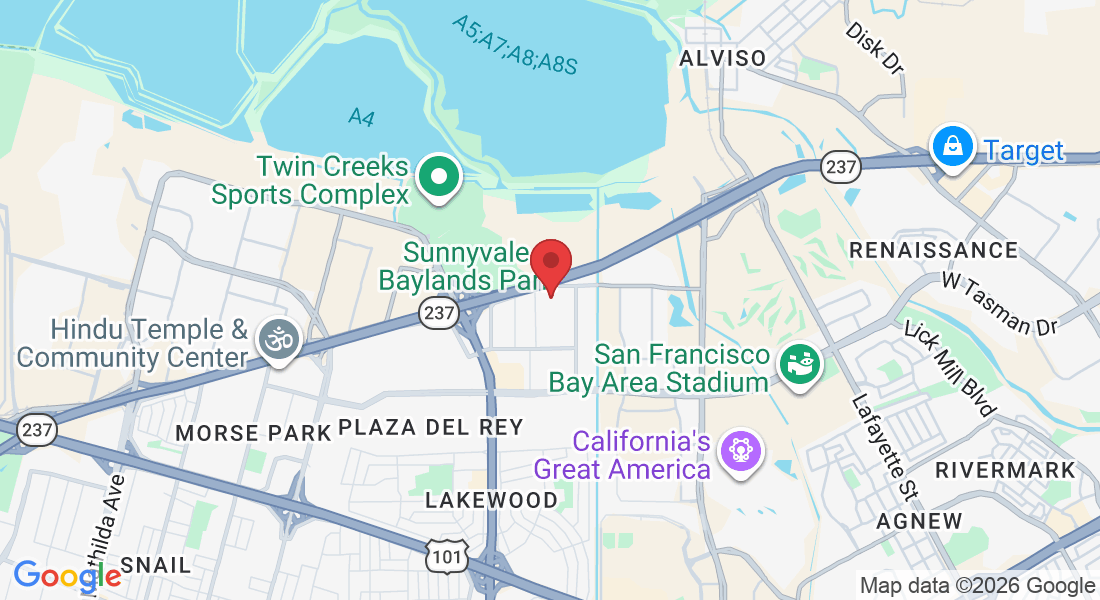
1287 Hammerwood Avenue
Sunnyvale, California 94089
Our Promise to You
Saving lives using evidence-based, ethically-delivered Ketamine Treatment and personalized Addiction Medicine. At ACE Medical, you're not just another patient. You’re a person with a story, and we’re here to support your health, your goals, and your life.
Unlock Your Brain with Ketamine and Medication for Addiction Treatment to help you break free from conditioned responses, limiting beliefs, and emotional patterns that do not empower you.
© 2026 ACE Medical | Accessibility | Terms & Conditions | Privacy Policy | Powered by DoctoGrow