Seeking Addiction Care Or Mental Health Care?
Benzodiazepines & Sedatives Addiction Treatment
Medication for Addiction Treatment (MAT) for Benzodiazepine & Sedative Addiction at ACE Medical in Sunnyvale, CA

Dependence on benzodiazepines and sedatives—such as Xanax®, Ativan®, Klonopin®, Valium®, Ambien®, or other sleep or anxiety medications—can develop quietly and quickly. Many people begin taking these medications for legitimate medical reasons, only to find themselves needing higher doses, struggling with withdrawal symptoms, or feeling unable to taper without help. If you live in Sunnyvale, CA, or nearby communities such as Mountain View, Santa Clara, or Cupertino, you’re not alone—benzodiazepine dependence is far more common than most people realize.
At ACE Medical, an addiction medicine practice in Sunnyvale, we provide Medication for Addiction Treatment (MAT) and structured medical support for people struggling with benzodiazepine and sedative dependence. Because these medications act directly on the brain’s GABA system and carry a high risk of dangerous withdrawal, professional medical supervision is essential.
Our goal is simple: help you safely reduce or discontinue benzodiazepines, stabilize your mental health, and support your long-term well-being with compassion and evidence-based care.
What is benzodiazepine & sedative addiction?
Benzodiazepines (“benzos”) and sedative-hypnotic medications are commonly prescribed for:
Anxiety
Panic disorder
Insomnia
PTSD
Muscle tension
Seizure disorders
Over time, these medications can lead to:
Tolerance (needing more to achieve the same effect)
Dependence (needing the medication to function normally)
Withdrawal symptoms when reducing or missing doses
Withdrawal can be severe and may include:
Anxiety and panic
Insomnia
Irritability
Tremors
Muscle tension
Nausea
Sensory hypersensitivity
Seizures (in severe cases)
Because withdrawal can be dangerous, stopping “cold turkey” is never recommended.
At ACE Medical, we help you taper safely and provide medications that support the body through the process.
What is MAT for benzodiazepine & sedative addiction?
Unlike opioid or alcohol addiction, there are no FDA-approved medications specifically designed to treat benzodiazepine dependence. However, Medication for Addiction Treatment (MAT) for benzodiazepines refers to the use of:
Carefully structured tapering schedules
Long-acting benzodiazepine substitution (when appropriate)
Adjunctive medications to reduce withdrawal symptoms
Medications to stabilize mood, anxiety, and sleep
Medications to support co-occurring conditions
Close medical monitoring to prevent complications
The goal is to help your nervous system recover gradually, safely, and comfortably.
Why is MAT important for benzodiazepine addiction treatment?
Benzodiazepine withdrawal can be life-threatening. MAT helps reduce risks by:
Preventing seizures
Reducing panic attacks and rebound anxiety
Supporting sleep and stabilizing mood
Helping you taper at a pace your brain can tolerate
Reducing relapse and the feeling of “crashing” during taper
Improving long-term success rates
Research shows that gradual tapering under medical supervision is the safest and most effective approach to benzodiazepine recovery.[1–4]
What medications does ACE Medical use for benzodiazepine & sedative addiction treatment?
Treatment depends on the type of benzodiazepine, dose, duration of use, and your overall health. Options may include:
1. Long-Acting Benzodiazepine Transition (When Appropriate)
Switching from a short-acting benzo (like Xanax®) to a longer-acting option (like diazepam or clonazepam) is a common, evidence-supported strategy.[1,2]
Long-acting medications help:
Smooth out withdrawal
Reduce rebound symptoms
Allow slower, safer tapering
Lower seizure risk
This is not the same as “replacing one addiction with another”—it’s a medically controlled transition to protect your brain during tapering.
2. Anticonvulsants
Medications such as:
Gabapentin
Carbamazepine
Valproate
may reduce withdrawal discomfort and lower seizure risk during tapering.[3]
3. Antidepressants
Medications like SSRIs or SNRIs may help if:
Anxiety persists during taper
Underlying depression or trauma exists
Insomnia worsens
They help stabilize mood during the transition off sedatives.
4. Beta-Blockers or Alpha-2 Agonists
Medications such as propranolol or clonidine may help with:
Palpitations
Sweating
Shakiness
Panic symptoms
5. Sleep Support Medications
Short-term, non-addictive medications may be used to help stabilize sleep, including:
Trazodone
Mirtazapine
Certain antihistamines
These help reduce dependence on sedative-hypnotics.
6. Medications for Co-Occurring Conditions
For PTSD, bipolar disorder, ADHD, or chronic pain, MAT may include medications that treat the underlying condition—reducing the need for benzodiazepines over time.
Is MAT for benzodiazepine addiction safe?
Yes—when supervised by medical professionals experienced in addiction medicine.
Stopping benzodiazepines suddenly can cause:
Severe anxiety
Hallucinations
Delirium
Seizures
Hospitalization
Life-threatening complications
At ACE Medical in Sunnyvale, we ensure withdrawal occurs slowly, with medications and monitoring that protect your safety.
We also coordinate with hospitals or specialty providers when complex medical needs are present.
How does ACE Medical approach benzo tapering and MAT in Sunnyvale, CA?
Our structured approach includes:
1. Comprehensive Evaluation
We assess:
Type and dose of benzodiazepine
Length of use
Co-occurring mental health conditions
Medical issues
Polysubstance use
Safety and tapering options
2. Personalized Tapering Plan
We create a taper that:
Moves at your pace
Minimizes severe withdrawal
Adjusts based on your symptoms
Integrates supporting medications
3. Integrated Behavioral Support
Therapy can significantly improve taper success. We recommend:
CBT for anxiety
Trauma-focused therapy
Mindfulness-based therapy
Sleep therapy (CBT-I)
Recovery coaching
4. Regular Monitoring
We track:
Withdrawal symptoms
Anxiety and mood
Sleep
Medication effects
Safety risks
5. Long-Term Recovery Planning
We help you transition to:
Healthier coping strategies
Non-addictive anxiety treatments
Better sleep hygiene
Ongoing therapy
Does MAT for benzodiazepines just replace one dependency with another?
No—this is a common misunderstanding.
A long-acting benzodiazepine used in a controlled medical taper does not create the same addictive cycle. It allows the brain to stabilize so you can safely come off sedatives.
Think of it like a bridge, not a new addiction.
How long does benzo tapering take?
Everyone’s timeline is different.
Factors affecting taper length include:
Dose
Type of benzodiazepine
Years of use
Co-existing mental health conditions
Stress level
Support system
Average taper times range from 2–12 months, though some require longer for comfort and safety.
At ACE Medical, we respect your pace—there is no rushing the healing process.
Who is a good candidate for MAT for benzodiazepine addiction?
You may benefit from MAT and structured tapering if you:
Depend on daily benzodiazepines or sedatives
Feel sick or panicked when missing doses
Use benzos with alcohol or opioids (dangerous combination)
Cannot sleep without sedatives
Have unsuccessfully tried to taper alone
Want a safer, medically supervised plan
Prefer compassionate care close to home in Sunnyvale
You deserve support—not shame.
When should I contact ACE Medical for help?
Reach out if:
You’re worried about withdrawal
You feel unable to cut down on your own
Anxiety is worsening
Your medication no longer feels effective
Sedative use is affecting work, relationships, or health
You want evidence-based care in Sunnyvale, CA
You want a plan that prioritizes safety and dignity
A consultation does not commit you to tapering—it simply helps you understand your options.
Take the First Step Toward Better Health
Whether you're seeking Ketamine treatment for depression, or other mental health or addiction challenges, let ACE Medical be your trusted partner in care.
Experience care that’s personal, proactive, and centered around you.
References:
1. Ashton H. Benzodiazepine withdrawal protocol and tapering guidelines.
2. Lembke A et al. Benzodiazepine dependence and safe tapering approaches.
3. Schweizer E et al. Adjunctive anticonvulsants for benzodiazepine withdrawal.
4. SAMHSA. Clinical guidance for withdrawal management.
Access The Convenient Care You Deserve
Get In Touch
Call, click, or visit — we’re here to make getting care simple & stress-free!
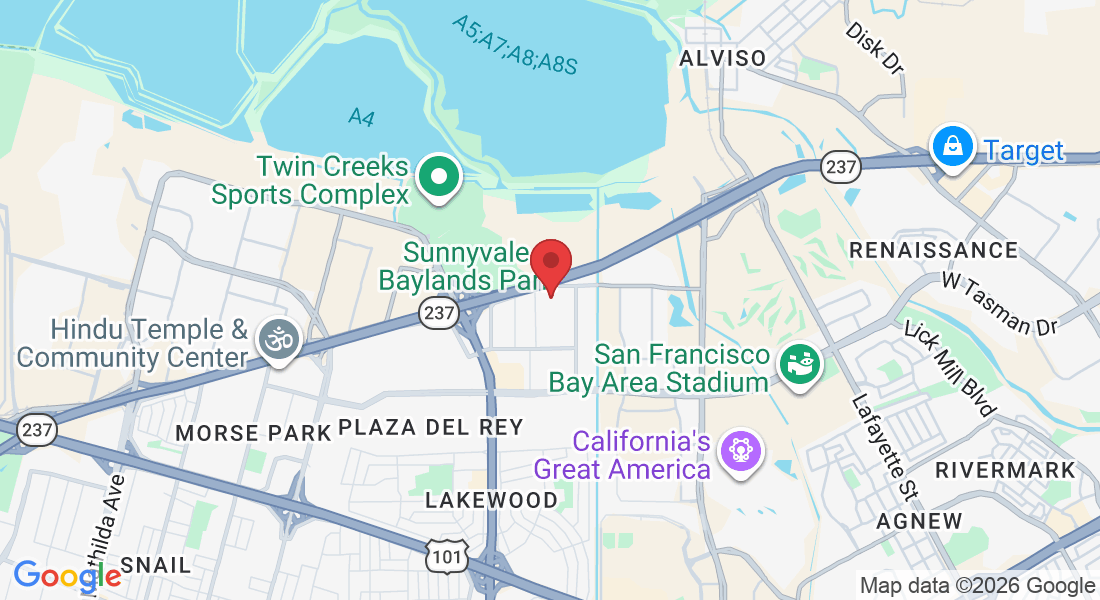
1287 Hammerwood Avenue
Sunnyvale, California 94089
Our Promise to You
Saving lives using evidence-based, ethically-delivered Ketamine Treatment and personalized Addiction Medicine. At ACE Medical, you're not just another patient. You’re a person with a story, and we’re here to support your health, your goals, and your life.
Unlock Your Brain with Ketamine and Medication for Addiction Treatment to help you break free from conditioned responses, limiting beliefs, and emotional patterns that do not empower you.
© 2026 ACE Medical | Accessibility | Terms & Conditions | Privacy Policy | Powered by DoctoGrow